

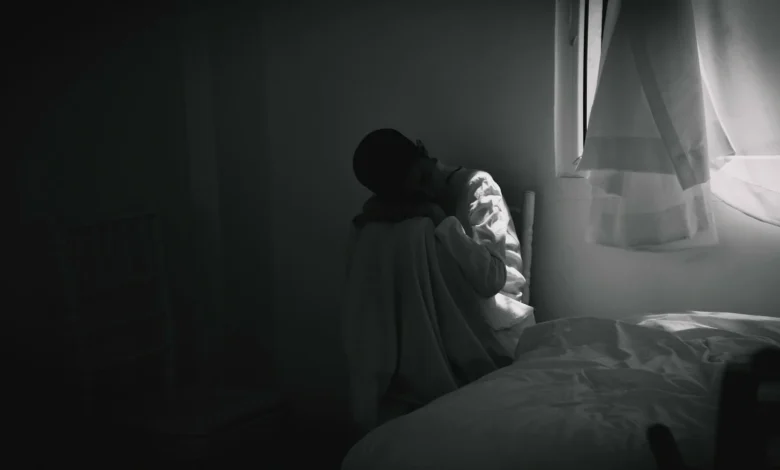
“Everyone I love dies in my nightmares,” Marcus told me, his voice shaking. “My parents, my girlfriend, my best friend. Every night, I watch them die in horrible ways. What’s wrong with me? Am I some kind of monster for dreaming this?”
After twelve years analyzing nightmares, I stopped his spiral immediately: “You’re not a monster. These dreams aren’t about wanting anyone dead. They’re about YOUR fears, not about other people’s fate.”
The relief on his face was immediate. “Then what do they mean?”
Let me show you what dreams where everybody dies actually reveal about your subconscious mind and why these terrifying nightmares keep happening.
What “Everybody Dies” Nightmares Actually Mean
The core truth: When everybody dies in your nightmares, your subconscious isn’t predicting death or revealing dark desires. It’s using death as the most powerful symbol of LOSS, CHANGE, and FEAR OF ABANDONMENT.
Your brain is processing deep anxieties through the most intense imagery available: death.
The Five Real Meanings Behind These Nightmares
1. You’re Terrified of Losing Everyone You Love
This is what I see most often. The deaths in your nightmare represent your overwhelming fear of loss and abandonment.
Sarah came to me after months of nightmares where her entire family died in various disasters. She’d wake up crying, unable to shake the terror for hours.
“Do you think something’s going to happen to them?” she asked desperately.
“No,” I told her. “But I think you’re terrified something COULD happen to them.”
Through our sessions, we discovered her mother had recently been diagnosed with a serious illness. Sarah’s fear of losing her mom had expanded into generalized terror of losing everyone she loved.
The nightmares weren’t predictions. They were her anxiety manifesting as death imagery because her brain couldn’t process the magnitude of her fear any other way.
Signs this interpretation fits you:
- You’ve experienced recent loss or near-loss of someone close
- Someone you love is sick or in danger
- You’ve become hyperaware of how fragile life is
- You obsess about worst-case scenarios during the day
- You feel powerless to protect the people you love
What’s really happening: Your subconscious is processing overwhelming fear of loss through nightmare imagery. The more people who die in the dream, the more pervasive your fear of abandonment has become.
2. Major Life Changes Feel Like Everything is Ending
Death in dreams often symbolizes endings, transformations, and irreversible change, not literal death.
When everybody dies in your nightmare, it can mean: everything in your life as you know it is ending. Your entire world is transforming.
After accepting a job across the country, Jennifer dreamed repeatedly that everyone she knew died in various ways. She’d wake up devastated.
“I think it’s a warning,” she said. “Maybe I shouldn’t move.”
We explored deeper. The “deaths” represented what moving actually meant:
- Her relationships wouldn’t be the same (they’d “die” in their current form)
- Her identity in her hometown would end
- Her entire support system would be gone
- The version of herself that existed in that place would cease to exist
Everyone dying symbolized the total life transformation she was undergoing. Not literal death, but the death of everything familiar.
Once she reframed the dreams as processing change rather than predicting tragedy, they lost their power to terrify her.
This resonates when:
- You’re undergoing massive life transitions
- Everything familiar is changing simultaneously
- Your entire world feels like it’s ending
- You’re grieving your old life even though change is positive
- You feel like you’re losing everything you’ve known
What to understand: Your brain uses death to represent the ending of an entire life chapter. Everyone dying means your whole world as you knew it is transforming.
3. You Feel Powerless and Out of Control
Watching everyone die while being unable to save them represents feeling completely powerless in your waking life.
Michael’s nightmares were brutal: his wife, kids, and parents dying while he stood frozen, unable to help. The helplessness was the worst part.
“I just stand there watching,” he said, disgusted with himself. “I can’t move, can’t speak, can’t save anyone.”
Through analysis, we discovered Michael was drowning in work stress. His company was failing, employees were being laid off, and he couldn’t stop it despite being in leadership.
The nightmares weren’t about his family dying. They represented his powerlessness at work. Everyone dying symbolized everything falling apart while he stood helpless, unable to fix it.
Psychological insight: When we feel powerless in one area of life, that helplessness often manifests in nightmares about being unable to save people from death. It’s our brain processing: “I can’t protect what matters. Everything’s falling apart and I’m useless.”
This is your meaning if:
- You’re facing situations you can’t control
- You feel responsible for things beyond your power to fix
- You’re watching problems escalate without being able to stop them
- You feel inadequate or ineffective
- Life circumstances make you feel small and powerless
What you need to process: The nightmare isn’t about death. It’s about your feelings of helplessness and lack of control.
4. You’re Experiencing Severe Anxiety or Depression
Recurring nightmares where everybody dies can indicate clinical anxiety or depression that needs attention.
When Elena came to me, her nightmares had been happening nightly for six months. Everyone she knew died in increasingly horrific ways. She was exhausted and terrified to sleep.
“These aren’t normal dreams,” I told her gently. “When nightmares are this frequent and intense, they often signal that your nervous system is overwhelmed.”
We discovered Elena was suffering from untreated generalized anxiety disorder. Her constant daytime worry about disaster was manifesting as death nightmares at night.
Once she started treatment for her anxiety, the nightmares decreased by 80% within weeks.
Warning signs to watch for:
- Nightmares happening 3+ times per week for over a month
- Nightmares so intense they disrupt your sleep and daily functioning
- Accompanied by daytime panic, persistent worry, or depression
- You’re avoiding sleep because of nightmare fear
- The dreams feel increasingly graphic or disturbing
Critical information: Frequent, intense death nightmares can be symptoms of:
- Generalized anxiety disorder
- Post-traumatic stress disorder (PTSD)
- Clinical depression
- Unprocessed grief or trauma
- Sleep disorders
If this resonates, please seek professional help. These nightmares often decrease dramatically with proper treatment.
5. You’re Processing Trauma or Grief
If you’ve experienced loss, trauma, or witnessed something terrible, nightmares where everybody dies are often part of your brain’s trauma processing system.
After losing his brother in a car accident, David dreamed nightly of various loved ones dying in accidents. The nightmares were his brain’s way of processing the trauma and his fear that lightning could strike twice.
Trauma nightmares serve a function: They’re your brain attempting to process overwhelming experiences by replaying variations of the threat. It’s disturbing, but it’s actually a healing mechanism (though it doesn’t feel like it).
This is likely your situation if:
- You’ve recently lost someone close to you
- You’ve experienced trauma involving death or near-death
- You witnessed something terrible
- You have PTSD from past experiences
- Anniversary dates of losses are approaching
What you need: Trauma-informed therapy, especially EMDR or somatic therapy, can significantly reduce trauma nightmares.
READ: Meanings of Dreams about Pregnancy Test Positive
Common “Everybody Dies” Nightmare Scenarios
You’re Trying to Save Them But Can’t
What’s happening: People are dying all around you, and you’re desperately trying to save them but failing repeatedly. You’re too slow, too weak, or frozen in place.
What it means: This represents feeling inadequate or incapable of protecting what matters to you. The inability to save them mirrors your feelings of helplessness in waking life.
Real example: After her company announced layoffs, manager Lisa dreamed nightly of trying and failing to save her team members from dying. The nightmare reflected her real feelings: she couldn’t protect her employees from being let go, and she felt like a failure as a leader.
If you’re having this version: You’re processing feelings of inadequacy and powerlessness about a real situation where you can’t protect or fix things.
Everyone Dies Suddenly and Simultaneously
What’s happening: Everyone drops dead at once. Mass death. Total devastation in an instant.
What it means: You fear sudden, catastrophic loss of everything simultaneously. This often appears during periods of extreme instability when multiple life areas feel threatened at once.
Client story: During a period where Tom was facing divorce, job loss, and his father’s cancer diagnosis simultaneously, he dreamed repeatedly of everyone he knew dying instantly in disasters.
The simultaneous deaths represented his feeling that his entire life was collapsing all at once, not just one piece at a time.
If this is yours: You’re overwhelmed by multiple threats or losses happening simultaneously. The dream reflects feeling like everything is falling apart at once.
You’re the Only Survivor
What’s happening: Everyone else dies, but you survive. You’re left alone in a dead world.
What it means: This represents fear of abandonment and being left completely alone. It’s not about survivor’s guilt (usually), it’s about terror of isolation.
Psychological insight: These nightmares often appear when you feel emotionally isolated or fear that everyone will eventually leave you (through death, rejection, or circumstance).
This resonates if:
- You struggle with abandonment fears
- You feel emotionally isolated even when surrounded by people
- You’re terrified of being alone
- Past experiences taught you that people leave
You’re Watching from a Distance, Unable to Reach Them
What’s happening: You see everyone dying but you’re separated by distance, barriers, or circumstances. You can’t get to them no matter how hard you try.
What it means: You feel disconnected from the people you love or unable to be there for them when it matters.
Real scenario: When Rebecca moved across the country for work, she started dreaming of watching her family die from a distance while being unable to reach them.
The nightmare reflected her real feelings: physical distance made her feel like she couldn’t be there if something happened, couldn’t help, couldn’t protect them.
If you’re having this: You feel disconnected (physically or emotionally) from loved ones and anxious about your inability to be present for them.
Different People Die in Different Ways Each Night
What’s happening: The nightmares vary. Different people, different death scenarios, but the theme remains: people you love dying.
What it means: Your anxiety isn’t focused on one specific fear. It’s generalized fear of loss that attaches to different people and scenarios as your brain processes various “what if” catastrophes.
This pattern suggests: Generalized anxiety rather than specific trauma. Your brain is cycling through various disaster scenarios because the anxiety itself is the issue, not any particular feared event.
What You Must Do About These Nightmares
1. Stop Judging Yourself for Having Them
Most important first step: You are NOT a bad person for having these nightmares.
Having death nightmares doesn’t mean:
- You want anyone to die
- You’re cursed or psychic
- Something terrible will happen
- You’re mentally ill or broken
- You have dark, hidden desires
These nightmares mean: Your brain is processing fear, anxiety, loss, change, or trauma through the most intense symbolic imagery available (death).
Release the guilt and shame. These are anxiety symptoms, not character flaws.
2. Identify the Real Fear Behind the Deaths
The deaths are symbols. Decode what they represent:
Reflection questions:
What am I most afraid of losing right now?
What situation in my life feels out of control?
What changes am I going through that feel like endings?
Have I experienced recent loss or trauma?
Where do I feel powerless or helpless?
The deaths represent your answer to these questions, not literal predictions of death.
3. Address Your Anxiety Directly
These nightmares often decrease when you address the underlying anxiety:
Immediate anxiety reduction techniques:
Before bed:
- Write down your worries in a journal (externalize them)
- Practice progressive muscle relaxation
- Do 10 minutes of deep breathing or meditation
- Avoid screens 60 minutes before sleep
- Create a calming bedtime routine
During the day:
- Practice mindfulness to stay grounded in present (not catastrophizing future)
- Challenge catastrophic thinking (“Everyone will die” vs. “Everyone is actually okay right now”)
- Limit consumption of disaster news or tragic content
- Exercise to process stress hormones
- Talk to someone about your fears
Why this works: Nightmares feed on unprocessed anxiety. When you address anxiety during waking hours, nightmares often decrease.
4. Use Imagery Rehearsal Therapy
This evidence-based technique significantly reduces recurring nightmares:
How to do it:
- While awake, recall the nightmare
- Rewrite the ending in a way that reduces fear (people survive, you save them, you wake up and they’re fine, etc.)
- Visualize the new version for 10-15 minutes daily
- Repeat for 1-2 weeks
The science: This technique rewrites the neural pathways associated with the nightmare. Studies show 70% reduction in nightmare frequency with consistent practice.
Marcus’s success: After weeks of nightmares, Marcus used this technique. He rewrote his nightmares so that everyone lived and he successfully protected them. Within two weeks, his nightmares decreased from nightly to twice monthly.
5. Process Underlying Grief or Trauma
If these nightmares stem from loss or trauma, you need proper grief or trauma processing:
Effective approaches:
- Grief counseling or support groups
- Trauma-focused therapy (EMDR especially effective for trauma nightmares)
- Somatic therapy for processing trauma held in the body
- Writing or artistic expression about your loss
Why this matters: Unprocessed grief and trauma often manifest as recurring death nightmares. Once properly processed, the nightmares typically decrease or stop.
6. Know When to Get Professional Help
Seek therapy immediately if:
- Nightmares happen 3+ times per week for over a month
- They’re disrupting your sleep and daily functioning severely
- You’re avoiding sleep because of nightmare fear
- You’re experiencing panic attacks, severe anxiety, or depression
- The nightmares started after trauma
- You’re having thoughts of self-harm
These nightmares can indicate clinical conditions requiring professional treatment:
- PTSD
- Generalized anxiety disorder
- Clinical depression
- Complicated grief
- Sleep disorders
Don’t suffer alone. These conditions are treatable, and nightmares often improve dramatically with proper care.
7. Reconnect with Your Loved Ones
Sometimes these nightmares reveal that you’re feeling disconnected from the people you love.
Reconnection practices:
- Reach out to people you’ve been avoiding or losing touch with
- Have meaningful conversations about what people mean to you
- Spend quality time with loved ones
- Express appreciation and love while you can
- Repair strained relationships if possible
Why this helps: When you strengthen your connections with loved ones, your subconscious anxiety about losing them often decreases.
The Ultimate Truth About These Nightmares
Marcus, who was disgusted with himself for dreaming everyone he loved died? Here’s what we discovered:
His nightmares started right after his father’s heart attack scare. His dad survived, but Marcus couldn’t shake the terror of how close he’d come to losing him.
That single scare had awakened catastrophic thinking: “If Dad almost died, anyone could die at any time. I could lose everyone.”
The nightmares where everybody died weren’t about wanting anyone dead. They were his brain processing overwhelming fear of loss that he didn’t know how to handle while awake.
Once he:
- Acknowledged his terror about his dad’s mortality
- Started therapy for his anxiety
- Practiced imagery rehearsal therapy
- Had honest conversations with his family about his fears
His nightmares decreased from nightly to occasional within six weeks.
The nightmares weren’t the problem. They were the symptom pointing to unprocessed fear he needed to address.
Your “everybody dies” nightmares are the same. They’re pointing to:
- Fear of loss you haven’t acknowledged
- Anxiety about change you’re not processing
- Powerlessness you feel but don’t know how to handle
- Grief or trauma you haven’t properly worked through
- Connection needs you’re not meeting
The deaths aren’t predictions. They’re messages about what needs your attention in your waking life.
Stop fearing the nightmares themselves. Start listening to what they’re trying to tell you about your emotional needs, unprocessed fears, or mental health concerns that require care.
Your mind isn’t torturing you with these images. It’s desperately trying to get your attention about something that matters.
Listen to the message. Address the underlying issue. The nightmares will lose their power.